After PIA, Arif Habib sets sights on Blue Economy
After PIA, Arif Habib sets sights on Blue Economy
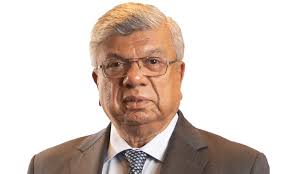
KARACHI: Fresh from acquiring a controlling stake in Pakistan International Airlines (PIA), prominent businessman Arif Habib has set his sights on Pakistan’s blue economy and the National Shipping Corporation (PNSC), signalling an intent to tap the country’s underdeveloped maritime potential.
Speaking to journalists at Naya Nazimabad Gymkhana on Sunday, the 73-year-old industrialist revealed that the new PNSC management has invited him for discussions about the future corporation.
The sustainable commercial utilisation of ocean resources is a largely untapped frontier for Pakistan, with an estimated potential of over USD100 billion. Currently, the sector contributes less than 0.5 percent to the national GDP.
On the other hand, there are reports that PNSC has planned to grow its fleet from the current 10 vessels to 54 ships by 2030 to grab the major chunk of an estimated USD6 billion annually, being paid as foreign freight charges to international shipping lines.
Roadmap to revive PIA
Arif Habib also outlined his roadmap for reviving PIA, informing that the airline’s entire fleet of 34 aircraft would be serviceable by September 2026. Currently, only 17 of PIA’s aircraft are operational, he added.
His consortium, which completed the acquisition of a 75percent stake in PIA for Rs 135 billion ($482 million), will assume control in April 2026 and immediately begin implementing a comprehensive turnaround strategy.
The privatisation marks Pakistan’s most significant sale of a state-owned enterprise in years, as the cash-strapped government moves to shed loss-making entities that have drained the national treasury.
Arif Habib, who revolutionised Pakistan’s stock market four decades ago, brings a track record of successful modernisation to what many consider an impossible task.
His involvement with PIA began in 2016 when he was elected to the airline’s board, witnessing firsthand the carrier’s deterioration.
“PIA’s problems had been building for years,” Habib explained. “The airline accumulated massive debts as successive governments provided annual loan guarantees, allowing borrowing to spiral out of control. Heavy interest payments compounded the problem, creating a cycle of increasing liabilities.”
An initial privatisation attempt failed due to management system issues and unfavourable economic conditions. However, recent improvements in Pakistan’s economic outlook—including reduced interest rates, rupee appreciation against the dollar, and controlled oil prices—created a more favourable environment for the sale, he added.
The consortium’s composition reflects a blend of major corporate players. Fauji Fertilizer will hold 25 percent of the stake, while Arif Habib’s investment group, combined with Fatima Fertilizer, will control another 25 percent. The remaining 25 percent will be distributed among other consortium members.
“Of the Rs 135 billion acquisition price—significantly more than the estimated Rs 70 billion needed for basic operations revival— Rs 125 billion will be injected directly into the airline. These funds will cover new engines, aircraft maintenance, operational expenses, and fleet expansion,” Arif said.
Presently, PIA’s total liabilities stand at approximately Rs 54 billion, which the consortium will absorb while implementing its turnaround strategy, Arif informed.
Arif Habib’s business plan focuses heavily on improving services at competitive fares while expanding the operational fleet from 17 to 38 aircraft in the short term. “More professionals will be engaged for airline expansion, but hiring will be strictly merit-based,” he said.
“Safety will remain paramount, with no compromises on maintenance or operational standards,” Habib emphasised. The business plan also includes special provisions for improving the cargo system.
The PIA sale represents a crucial test for the country’s broader economic reform agenda. The successful turnaround of PIA could pave the way for additional economic reforms and privatisations.