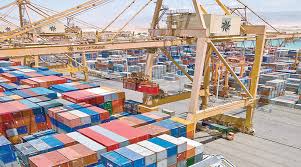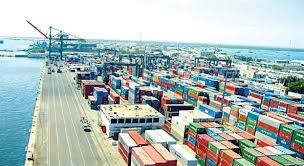
Karachi : Pakistan’s ambition to position Karachi as a regional transshipment hub, a goal three decades in the making and given fresh momentum by the Iran-US conflict, is being undermined from within. The Karachi International Container Terminal (KICT), operated by Hutchison Ports, has failed to handle cargo from just three large vessels anchored during the past 12 days, triggering delays that led demurrage and detention charges, burying importers and traders under avoidable financial losses.
The federal government had moved quickly to capitalize on shifting regional trade routes, easing transshipment regulations and slashing port charges to build confidence among international shipping lines. Those efforts had begun to work. But, KICT’s operational collapse is now erasing those gains in real time.
The cargo volume at KICT rose 13.54% year-on-year and the containers selected for customs examination roaming between 20-30%. The KICT for the last 20 years responded to neither. No meaningful capacity expansion, no additional machinery, no trained workforce. The result: thousands containers are regularly stuck at various stages, paralyzing import and export activity at Pakistan’s largest commercial port.
Containers marked for examination are currently waiting 8 to 10 days just to be grounded. The capacity of terminal examination yard is not more than 300 containers, creating port congestion. Now, just three large vessels arrived at KICT has again exposed the operational inefficiency, staff storage & other mismanagement of the foreign terminal operator.
The problems go beyond capacity. Customs authorities and Traders keep flagging that the terminal does not follow the First-In-First-Out principle, with late-arriving containers being cleared ahead of older ones against undue gains.
KICT management has also refused to honor Delay and Detention Certificates issued under the Customs Act, forcing importers to pay demurrage charges for delays that are not their fault. Several cases filed before the Federal Tax Ombudsman and other forums also remain pending.
The “Express Lane” scheme, introduced in January 2026 to fast-track clearance of single-item consignments, industrial raw materials, and cargo from credible traders, has practically failed to serve the purpose, due to terminal operator’s operational inefficiency, obliterating all the federal government efforts.
Pakistan has spent thirty years trying to establish Karachi as a regional transshipment hub, held back first by security concerns, then by policy inconsistency. The Iran-US conflict has created a rare opening, one that required political will, regulatory reform, and operational readiness simultaneously. The government delivered on the first two.
The Hutchison, which operates KICT and SAPT, is failing on the third due to operational inefficiency and that failure is doing more damage than any regulatory gap could. Recently, customs on the massive complaints of pilferage and cargo mishandling gave 7-day deadline to resolve such issues.
One terminal operator, handing two most important terminals (KICT & SAPT), appears unable to handle just three vessels is not a logistics problem. At this moment, it is a strategic one.